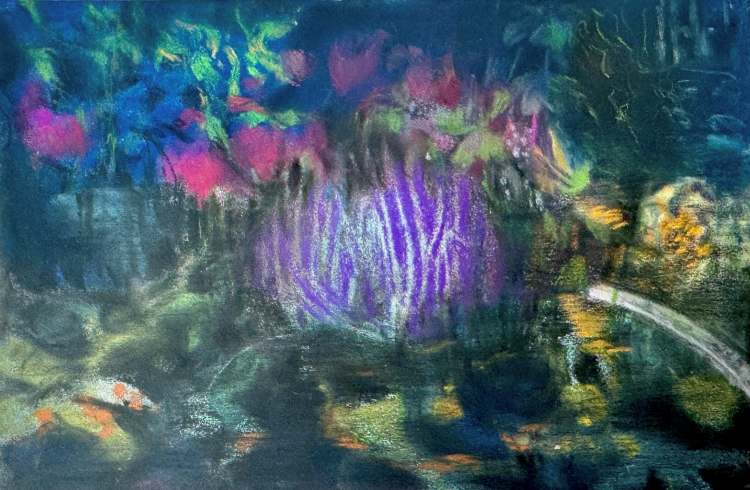
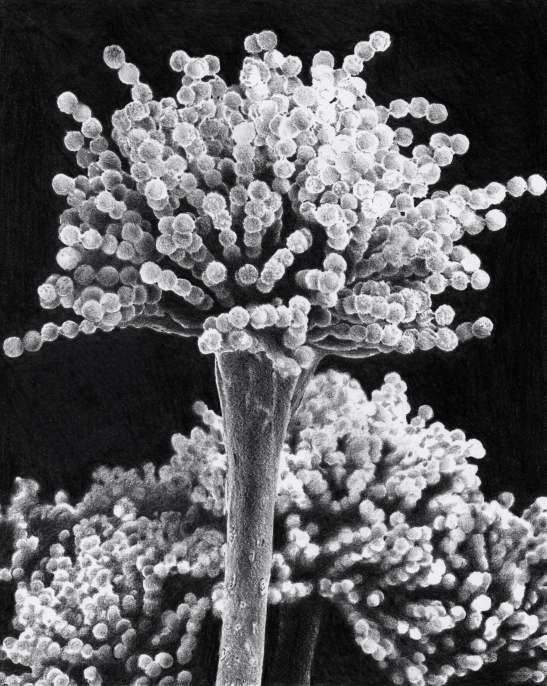
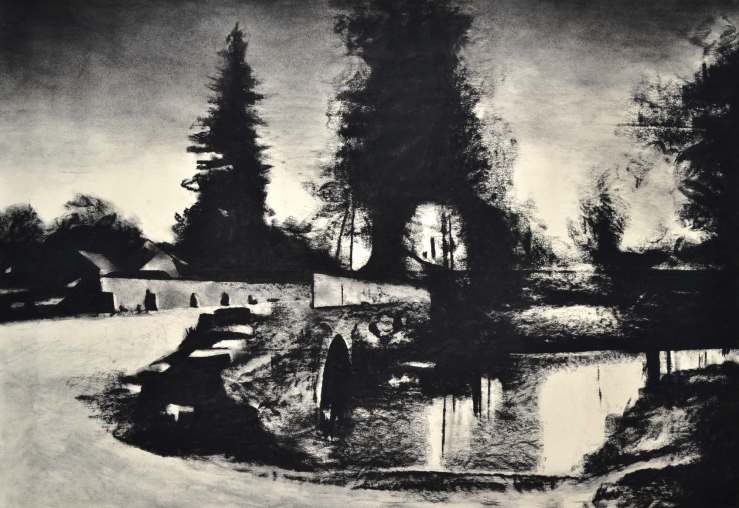
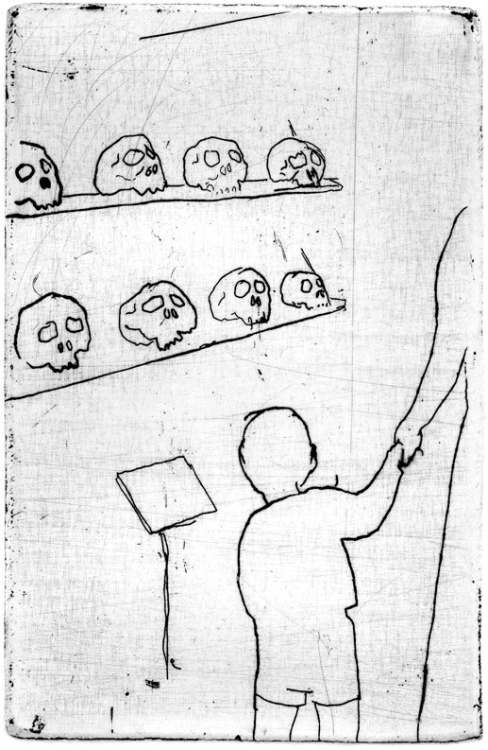
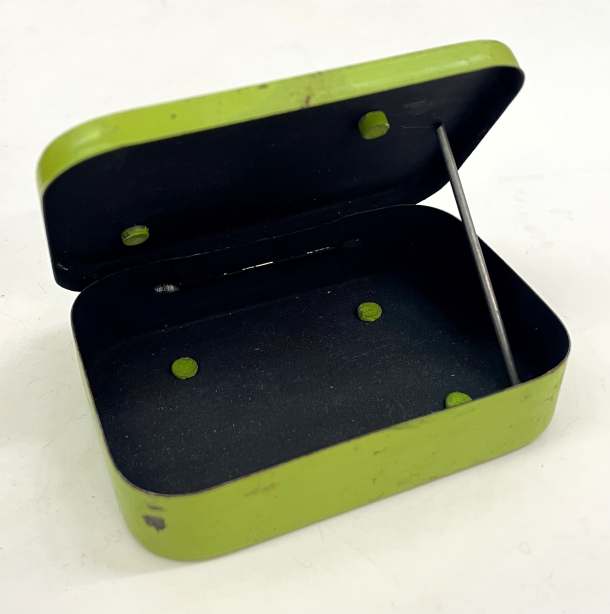
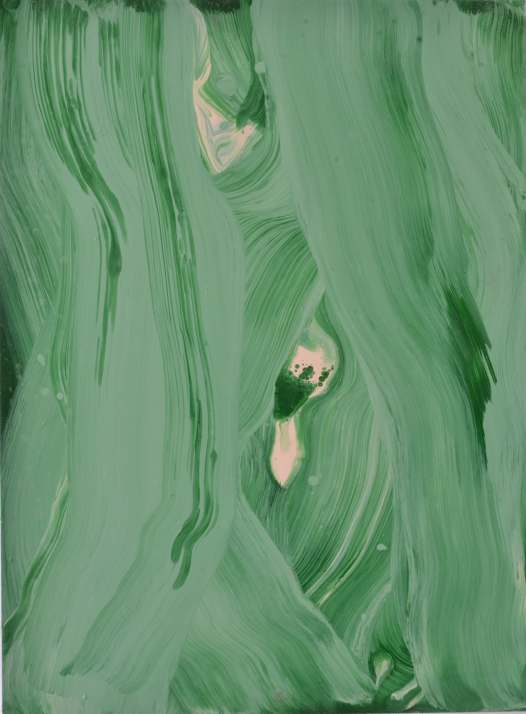
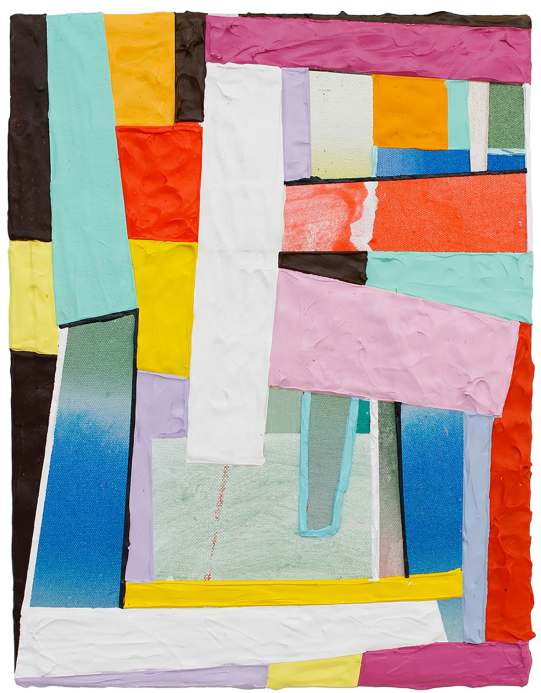
This exhibition is inspired by Ursula K. Le Guin’s novel The Word for World is Forest, in which the words “forest” and “world” are identical. In Le Guin’s imagination, the forest is not only a territory, but an inner landscape: one that preserves memory, sustains community, and resists the persistent forces of colonial violence, ecological destruction, and forced displacement. Before the arrival of the colonizers, the indigenous Athshean people lived in deep symbiosis with their forest-world. What the colonizers destroy is not only a place, but an entire way of inhabiting reality.
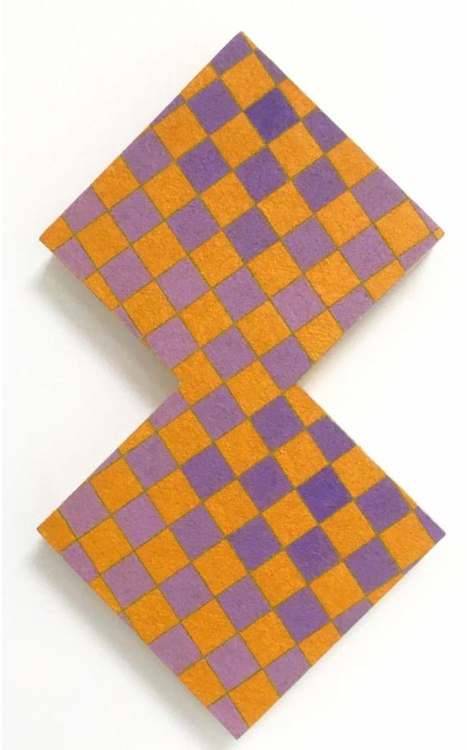
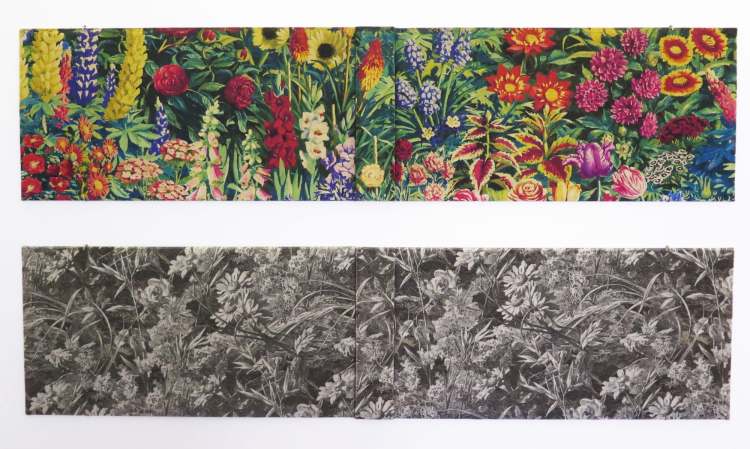
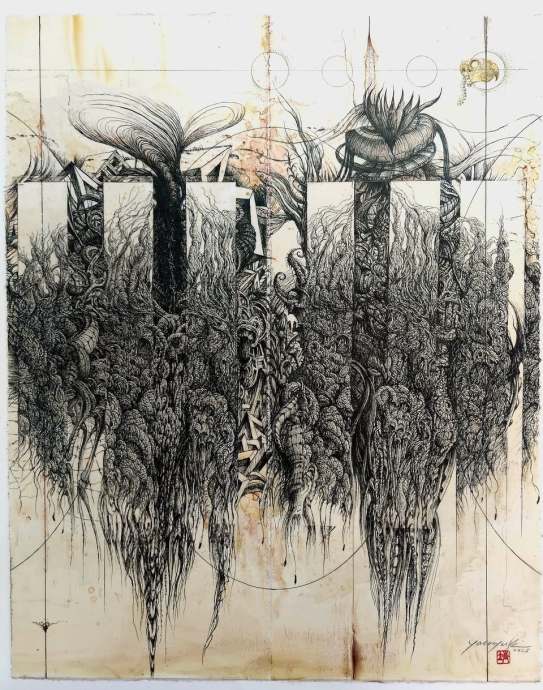
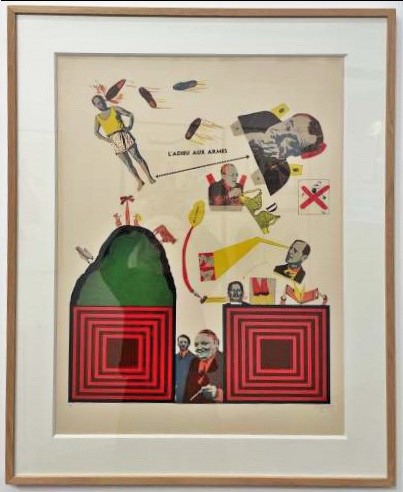
The exhibition explores how landscapes, objects, and memories continue to take root in bodies long after separations from their place of origin. Through the works of three artists, Árbol (Bucaramanga, Colombia, 1998), Camila Salame (Bogotá, Colombia, 1985), and Kaki Weiss (Fréjus, France, 2002), the exhibition creates a narrative of interwoven human and non-human resiliences; a path toward oneself, toward others, and toward the places we carry within us.
Like birds passing from one forest to another, crossing invisible borders, and silently reshaping the spaces they inhabit, when we migrate, it is not only our luggage that crosses borders. We carry a dense and invisible forest of emotions, gestures, and images, a world that never quite arrives at its destination.
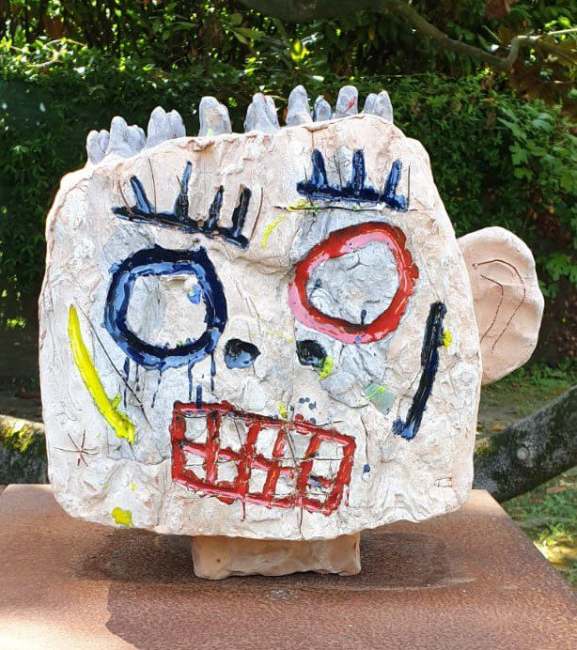
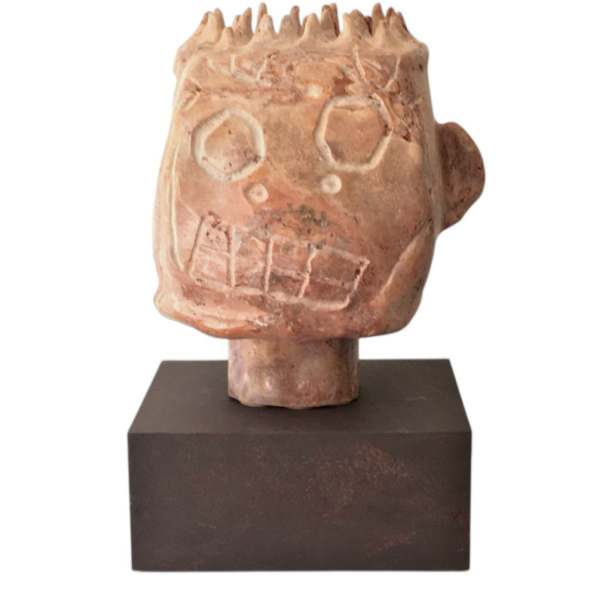
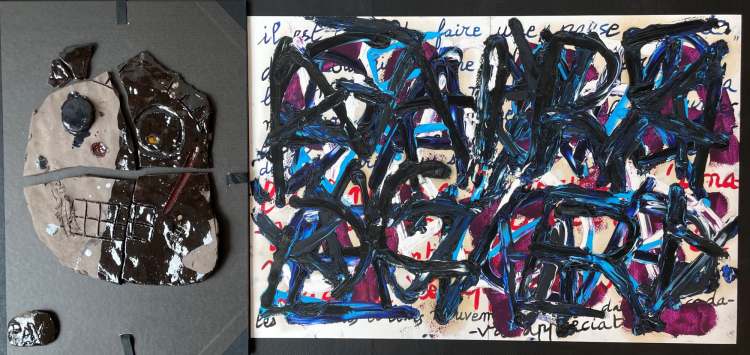
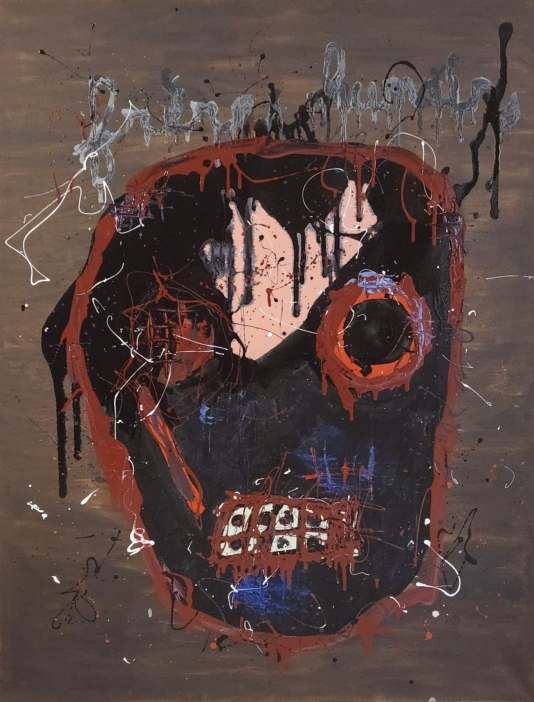
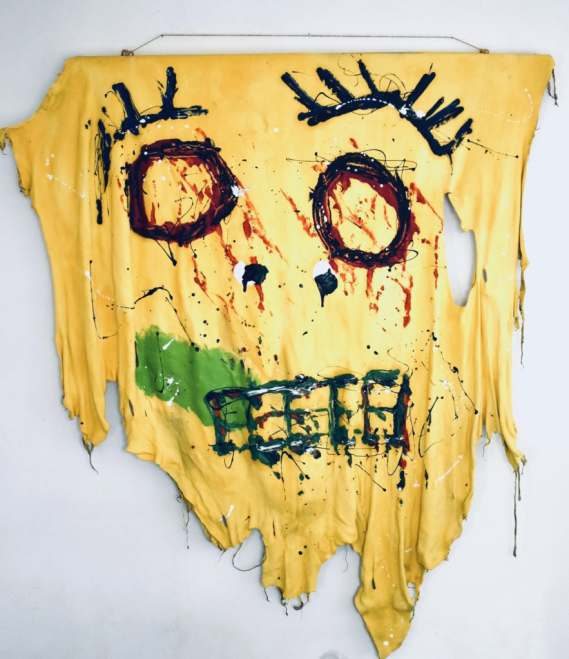
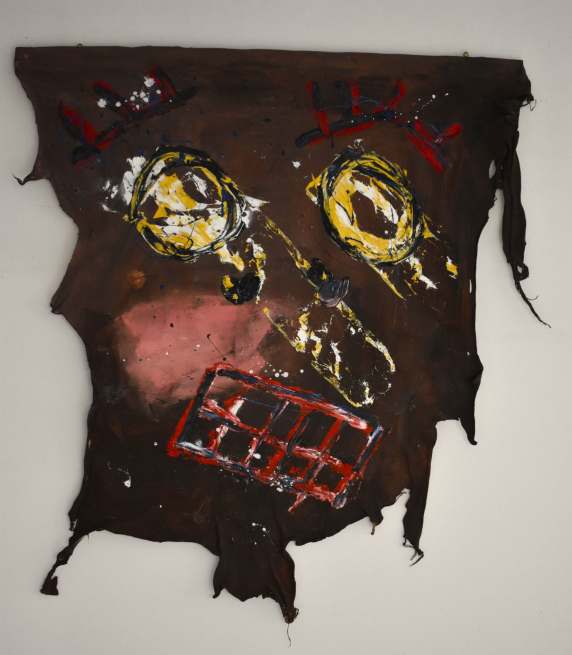
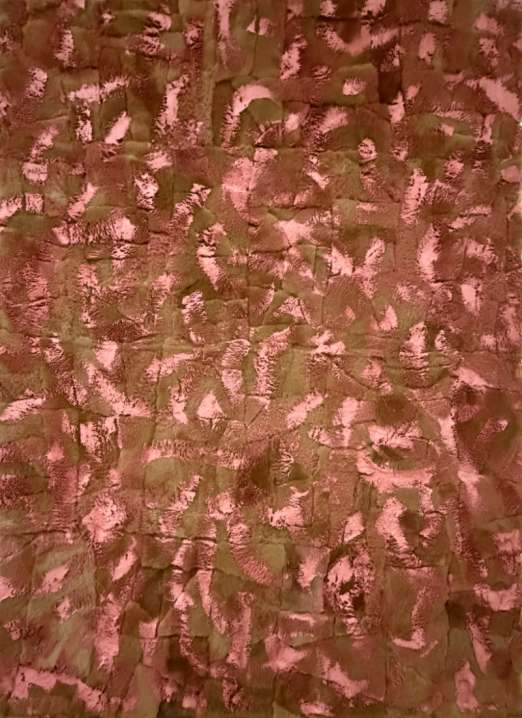
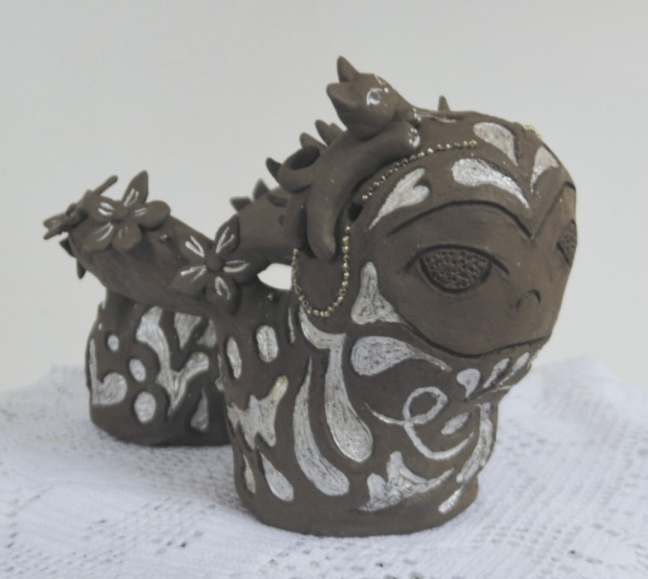
Árbol (born 1998 in Bucaramanga, Colombia) is an artist whose practice works across fibers, earth, and sound, engaging the body as a site of memory, and resistance. (...)
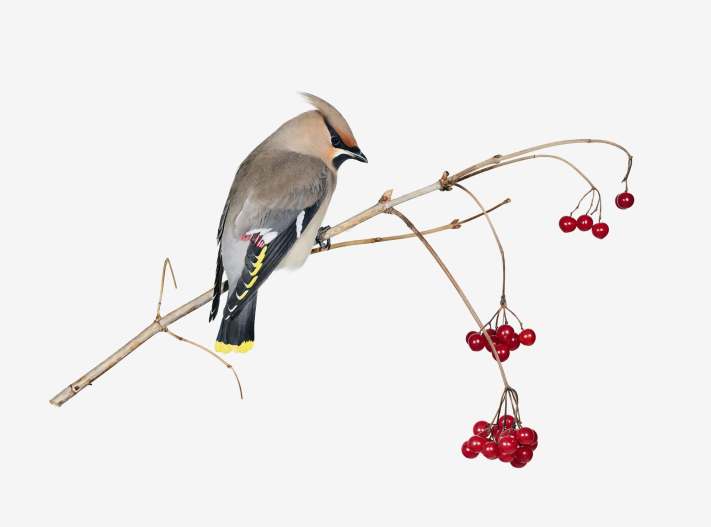
A significant work is the sound ceramic piece Pájaro portador de flores, tortuga y jaguar, a carrier bird that produces sound and symbolizes interdependence and reciprocity, putting the bird as a symbol of carrier of an ecosystem.
This exhibition is inspired by Ursula K. Le Guin’s novel The Word for World is Forest, in which the words “forest” and “world” are identical. In Le Guin’s imagination, the forest is not only a territory, but an inner landscape: one that preserves memory, sustains community, and resists the persistent forces of colonial violence, ecological destruction, and forced displacement. Before the arrival of the colonizers, the indigenous Athshean people lived in deep symbiosis with their forest-world. What the colonizers destroy is not only a place, but an entire way of inhabiting reality.
The exhibition explores how landscapes, objects, and memories continue to take root in bodies long after separations from their place of origin. Through the works of three artists, Árbol (Bucaramanga, Colombia, 1998), Camila Salame (Bogotá, Colombia, 1985), and Kaki Weiss (Fréjus, France, 2002), the exhibition creates a narrative of interwoven human and non-human resiliences; a path toward oneself, toward others, and toward the places we carry within us.
Like birds passing from one forest to another, crossing invisible borders, and silently reshaping the spaces they inhabit, when we migrate, it is not only our luggage that crosses borders. We carry a dense and invisible forest of emotions, gestures, and images, a world that never quite arrives at its destination.
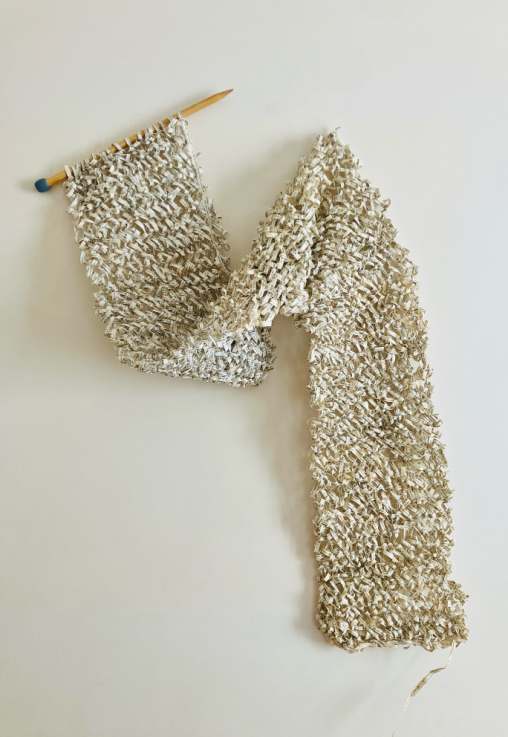
Camila Salame, born in Bogotá, Colombia in 1985, is a multidisciplinary artist whose work takes the form of sculptures, installations and drawing. (...) Through the use of a range of unconventional materials, each charged with a personal, symbolic meaning, she creates poetic relationships, explores narratives and evokes both individual and universal histories. (...)
By knitting the pages of this book, I wish to evoke the way we read books and then somehow forget them. They become tangled with our personal memories. By knitting texts I materialize the unmeasurable time spent reading and create a fabric made of words as a protective wrap up. (...)".
This exhibition is inspired by Ursula K. Le Guin’s novel The Word for World is Forest, in which the words “forest” and “world” are identical. In Le Guin’s imagination, the forest is not only a territory, but an inner landscape: one that preserves memory, sustains community, and resists the persistent forces of colonial violence, ecological destruction, and forced displacement. Before the arrival of the colonizers, the indigenous Athshean people lived in deep symbiosis with their forest-world. What the colonizers destroy is not only a place, but an entire way of inhabiting reality.
The exhibition explores how landscapes, objects, and memories continue to take root in bodies long after separations from their place of origin. Through the works of three artists, Árbol (Bucaramanga, Colombia, 1998), Camila Salame (Bogotá, Colombia, 1985), and Kaki Weiss (Fréjus, France, 2002), the exhibition creates a narrative of interwoven human and non-human resiliences; a path toward oneself, toward others, and toward the places we carry within us.
Like birds passing from one forest to another, crossing invisible borders, and silently reshaping the spaces they inhabit, when we migrate, it is not only our luggage that crosses borders. We carry a dense and invisible forest of emotions, gestures, and images, a world that never quite arrives at its destination.
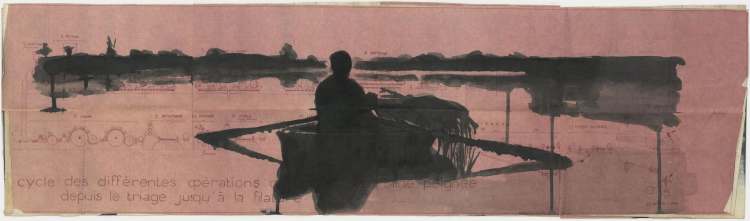
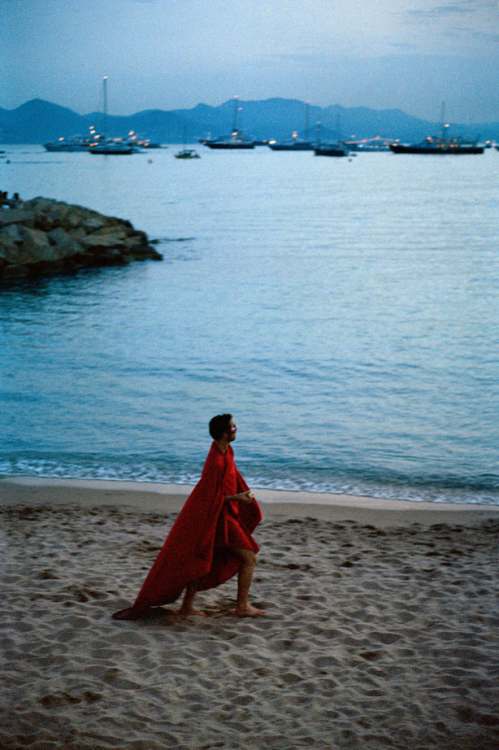
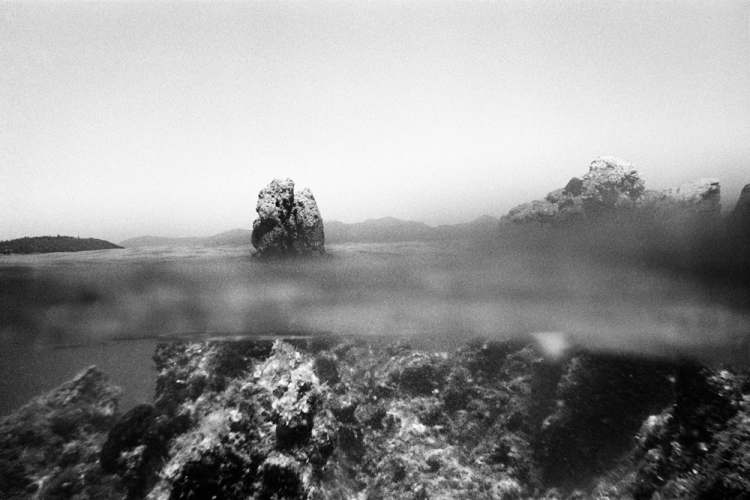
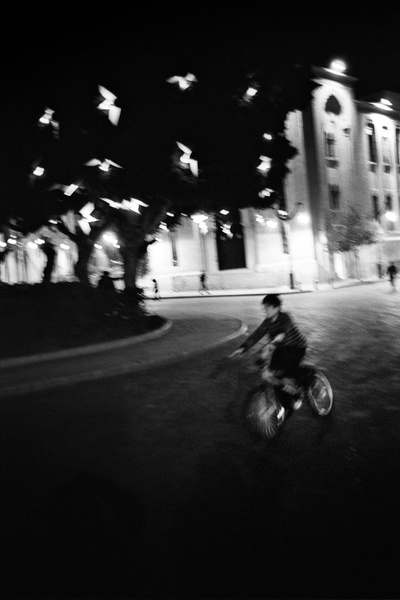
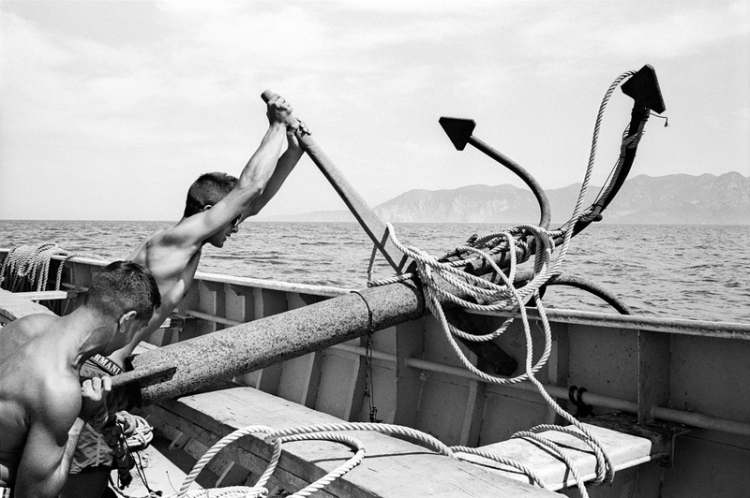
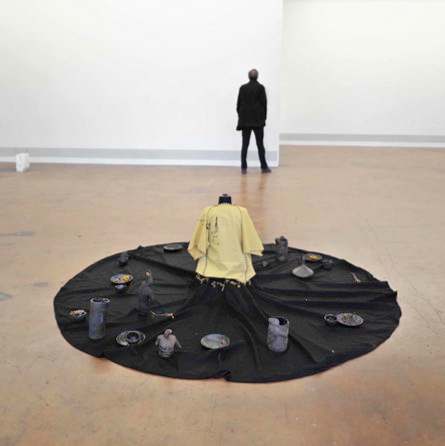
Kaki Weiss. Born in Fréjus, France (2002). Kaki explores the concept of belonging through various mediums. Driven by a need for sociability, her work engages with the language of hospitality and diversity, weaving connections through plant knowledge, recipes, and anecdotal narratives. She invites others to share in collective sensory experiences.
The dervish’s skirt, after spinning, takes form into a hospitable space. Participants are invited to a sensory experience where colors, plants (infusions, flavors, scents, or remedies), and culinary stories weave bridges between memories and presences.(...)
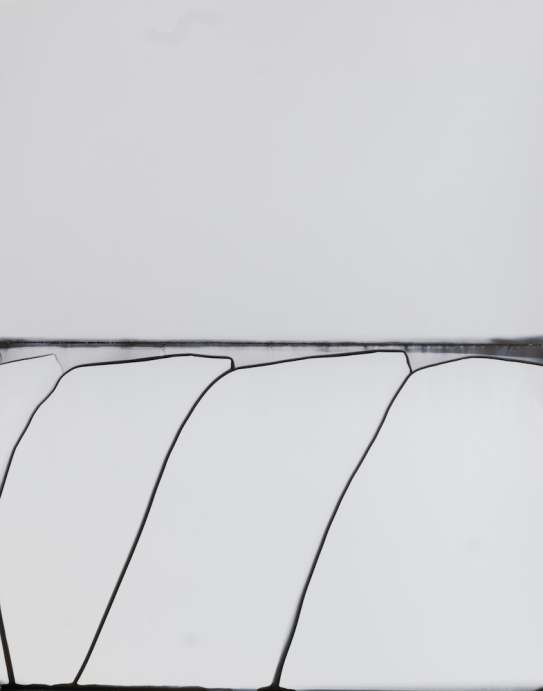
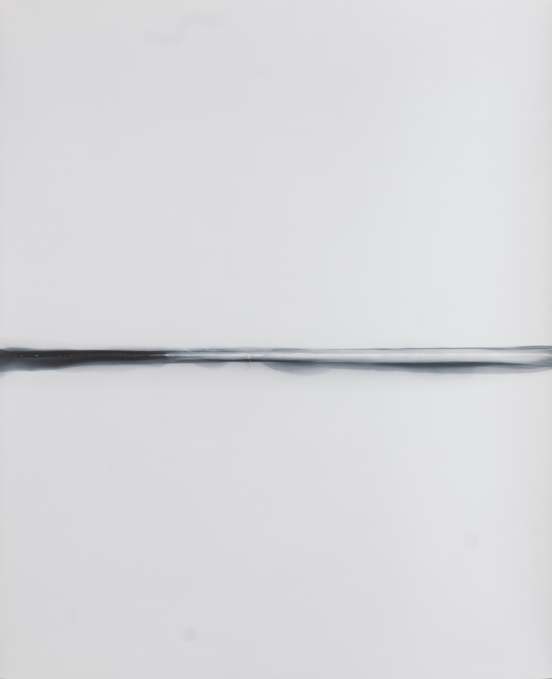
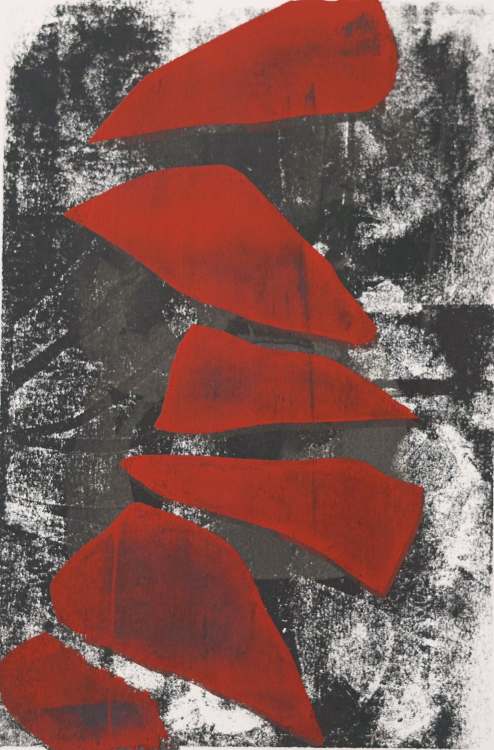
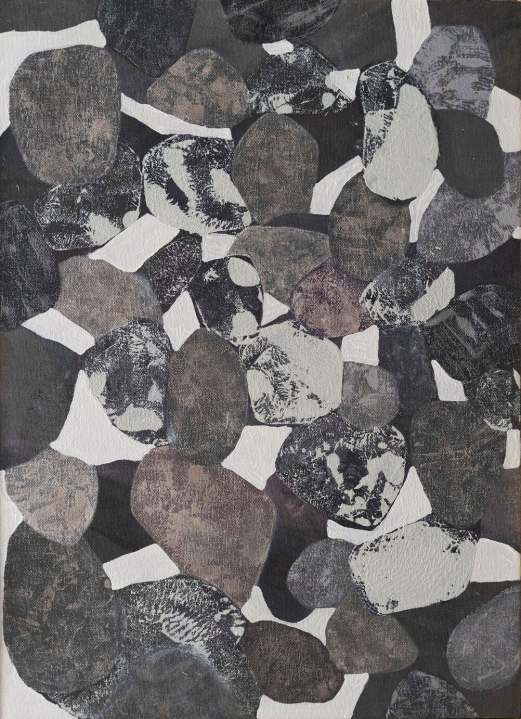
Galerie Miranda’s 2026 winter exhibition proposes a voyage into abstracted landscapes by three contemporary artists working between painting and photography: Chuck Kelton, Chloe Sells and Marian Wijnvoord.
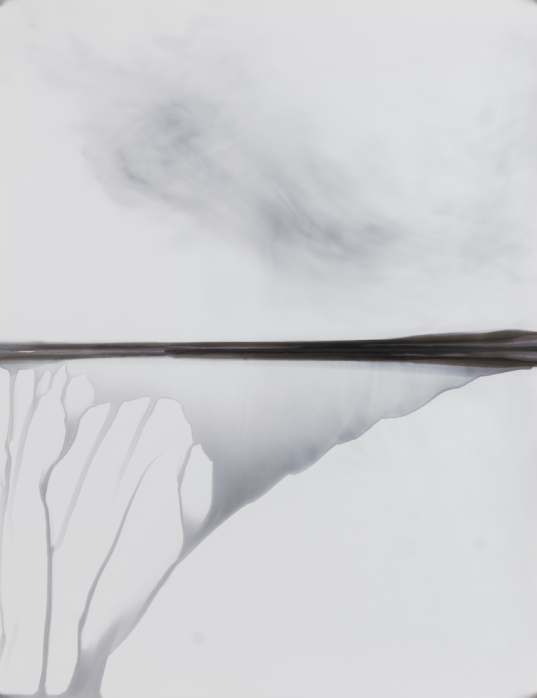
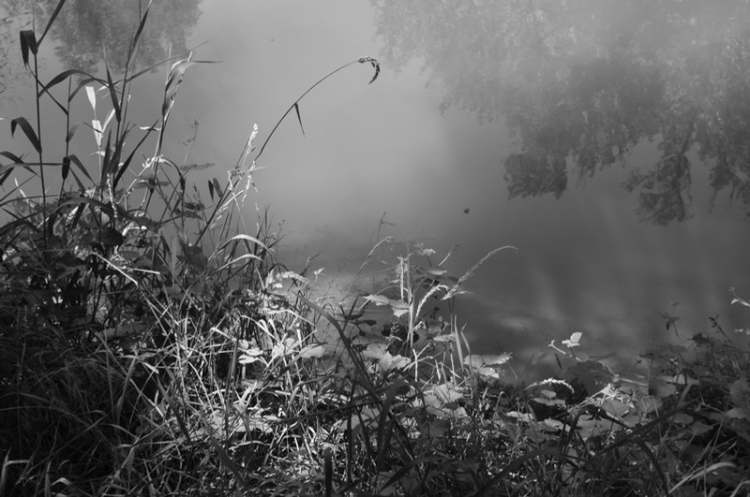
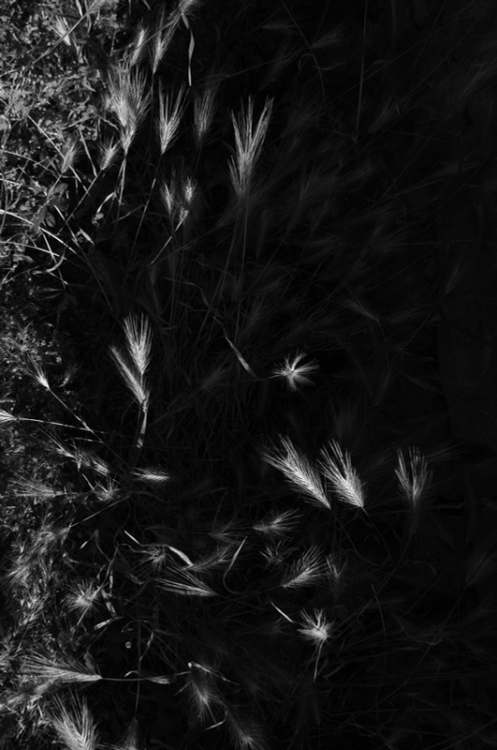
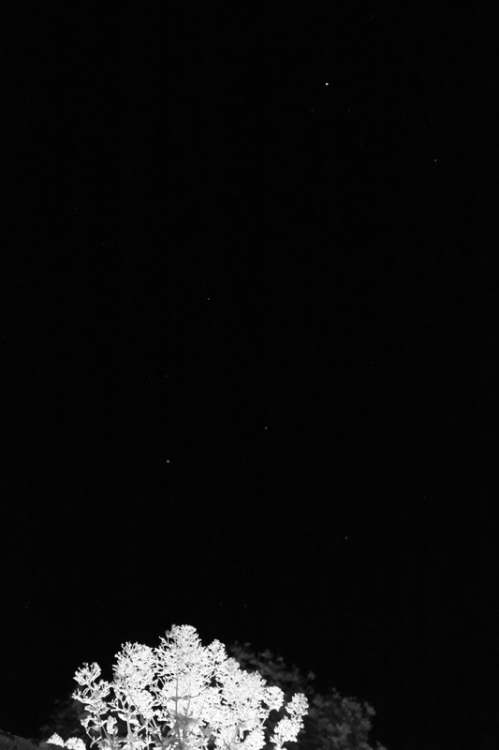
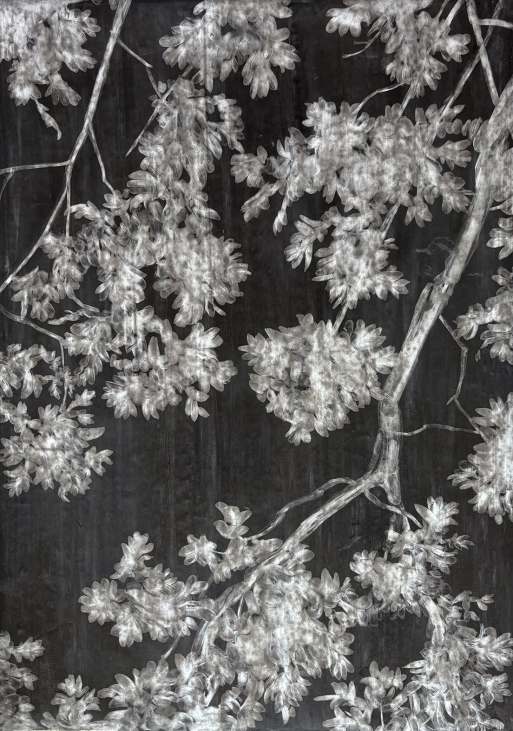
CHUCK KELTON (1952, American), employs darkroom chemistry, light and process to create abstractions evoking ethereal, elemental landscapes - volcanic, glacial, lunar, desertic. His gestures on the paper are various - brushing, folding, dipping - and works can take several weeks to complete, after layers of chemistry and development. For this exhibition the gallery has selected pale, minimalist works, evocative of frozen northern lakes and skies. All of Chuck Kelton’s works are unique.
The exhibition title Winterreise (Winter’s Journey), references the celebrated Franz Schubert song cycle (1827) which recounts the melancholy of a young traveller who wanders out into the snowy landscape on a journey to rid himself of his lost love.
Technical keywords
Dominant colours
Black and white
Periods
21st century
Processes
Chemical photography
Chemogram
Photogram
Themes
Landscape
06 Feb. 2026
11 Apr. 2026
Galerie Miranda, 21 rue du Château d’Eau, 75010 Paris, France
Galerie Miranda’s 2026 winter exhibition proposes a voyage into abstracted landscapes by three contemporary artists working between painting and photography: Chuck Kelton, Chloe Sells and Marian Wijnvoord.
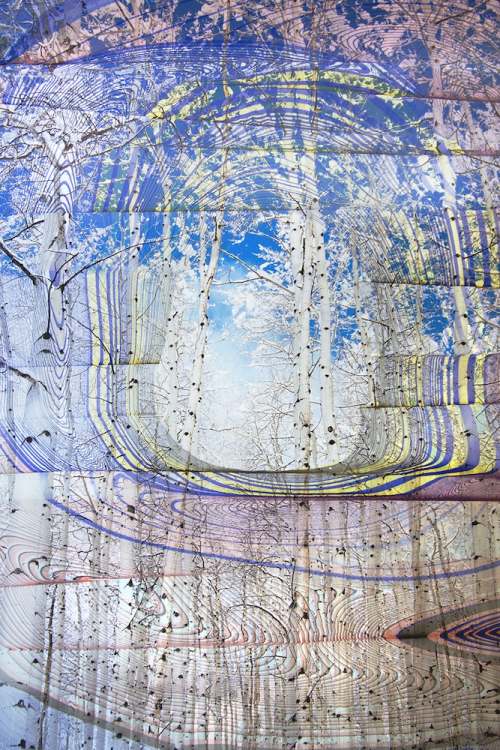
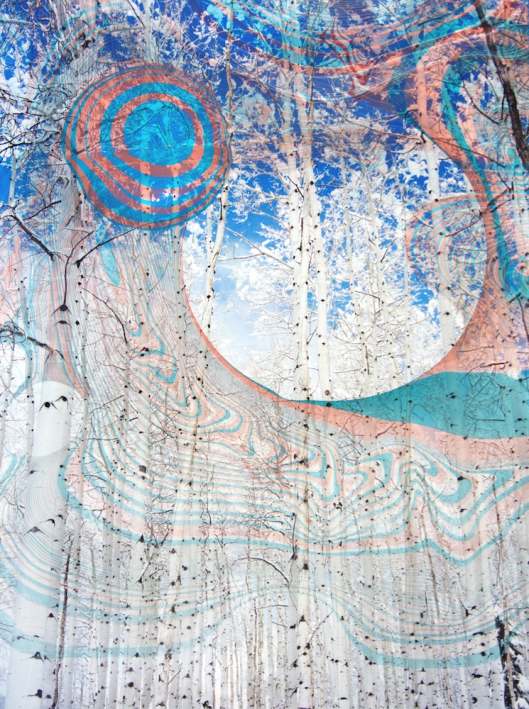
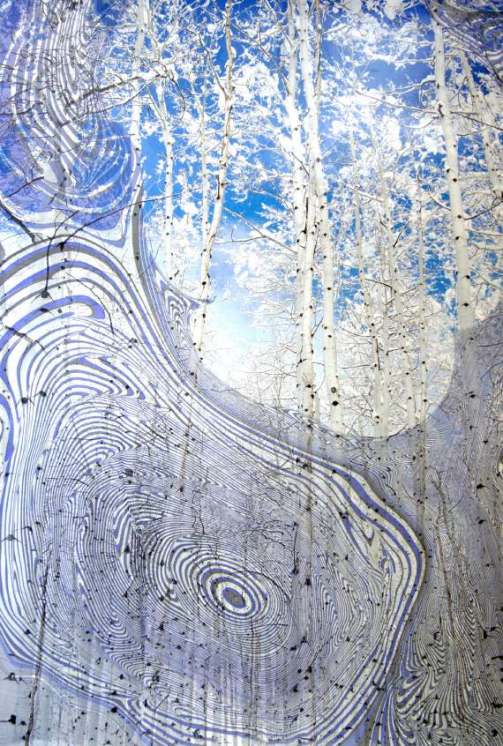
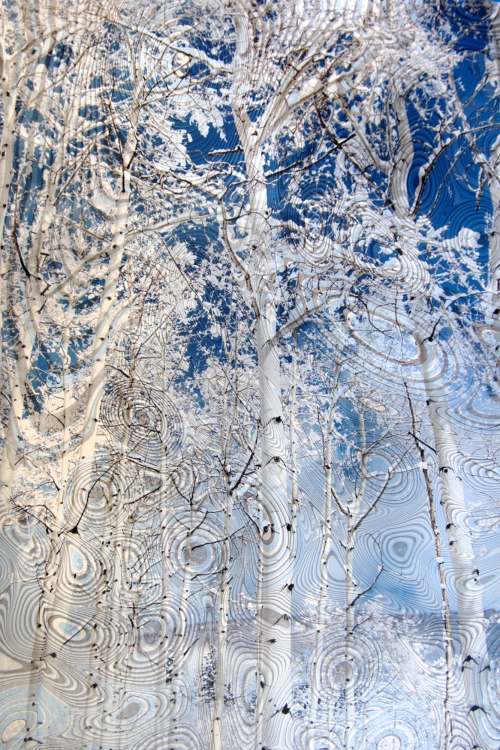
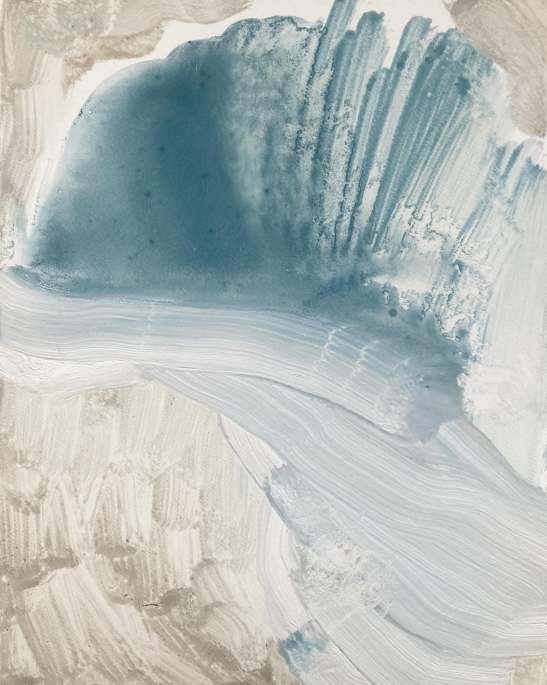
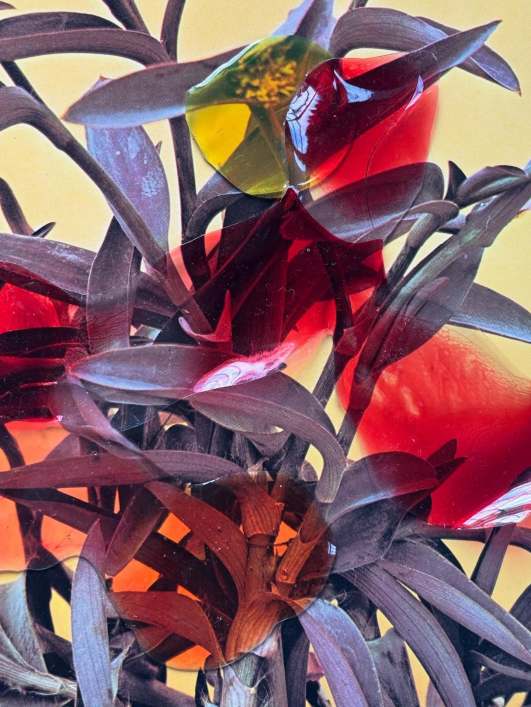
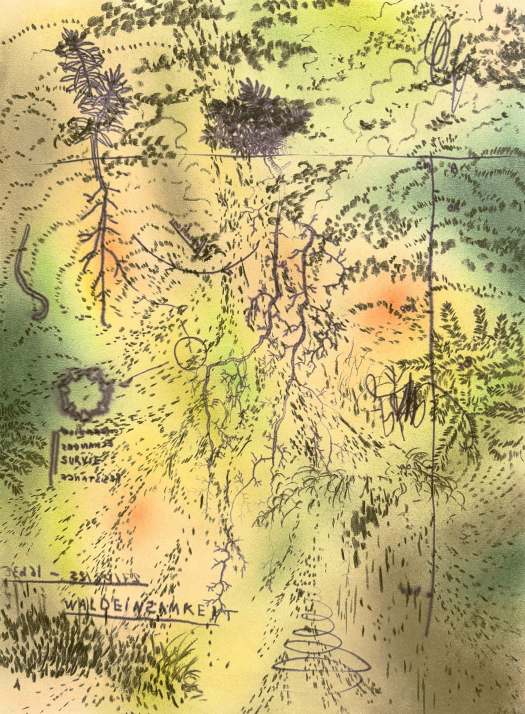
CHLOE SELLS (1976, American), takes analog landscape photographs that she prints and cuts by
hand, reworking them either in the darkroom or in her studio by applying overlays of light, paint and ink. These new works were taken in the Aspen forests of Colorado, the artist’s childhood home, that she then hand printed in the darkroom and then overlaid with acrylic paint, using the delicate, antique process of marbling, traditionally used in book-binding. All of Chloe Sells’ works are unique.
The exhibition title Winterreise (Winter’s Journey), references the celebrated Franz Schubert song cycle (1827) which recounts the melancholy of a young traveller who wanders out into the snowy landscape on a journey to rid himself of his lost love.
Technical keywords
Periods
21st century
Regions
North America
Painting
Types
Acrylic
Photography
Processes
C-print
Chemical photography
Marbling
Themes
Landscape
06 Feb. 2026
11 Apr. 2026
Galerie Miranda, 21 rue du Château d’Eau, 75010 Paris, France
Galerie Miranda’s 2026 winter exhibition proposes a voyage into abstracted landscapes by three contemporary artists working between painting and photography: Chuck Kelton, Chloe Sells and Marian Wijnvoord.
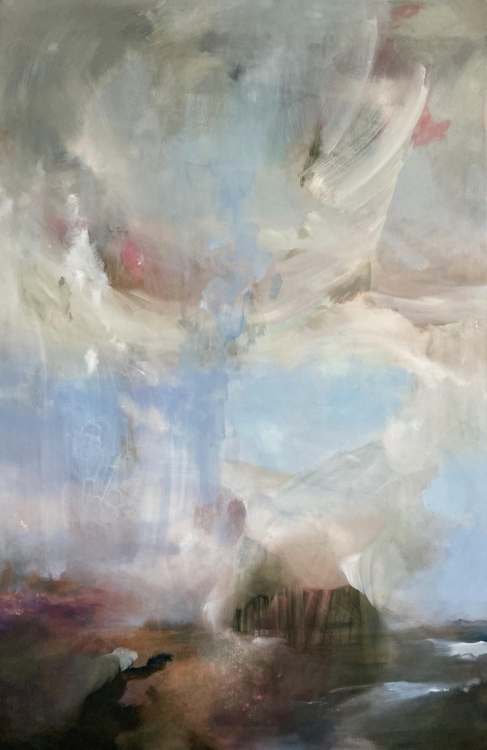
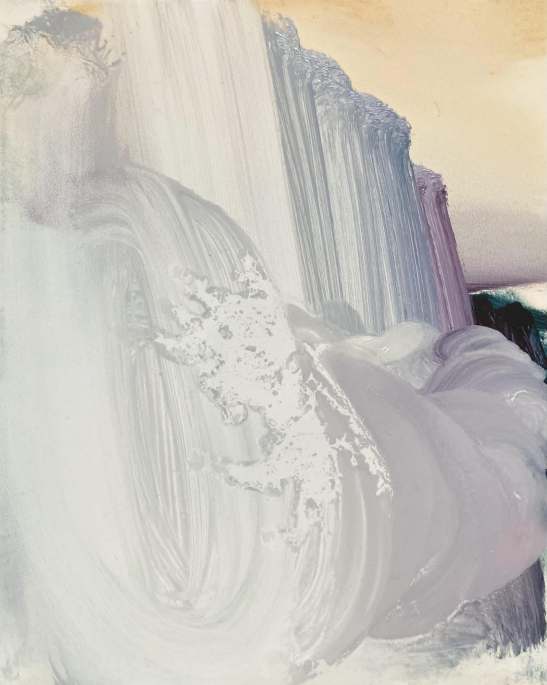
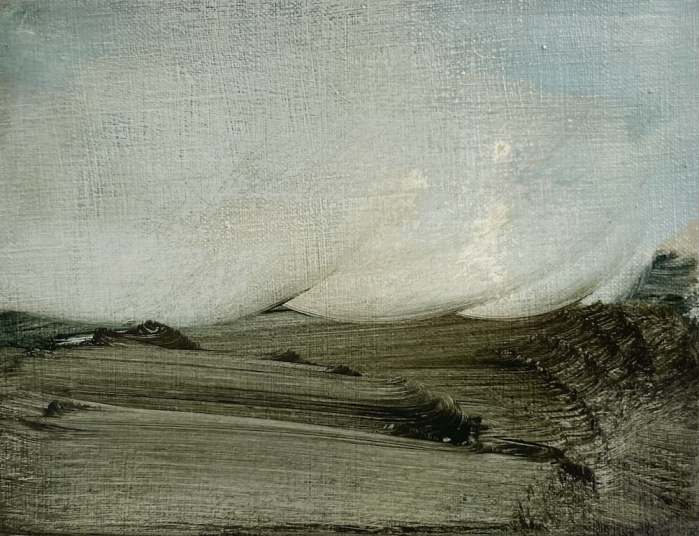
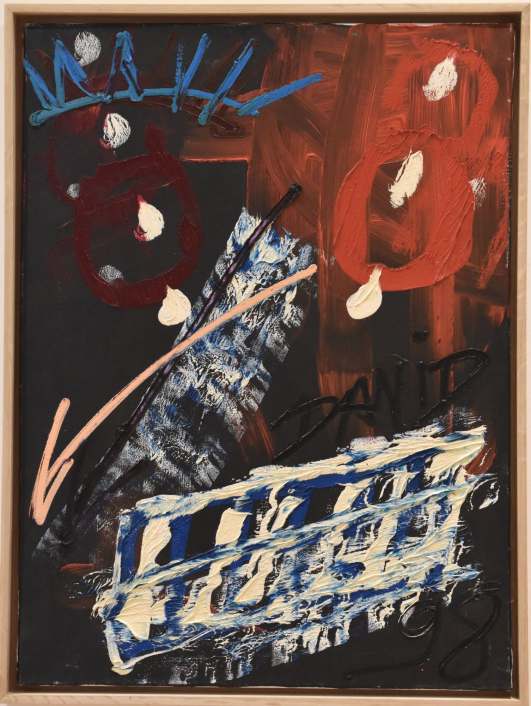
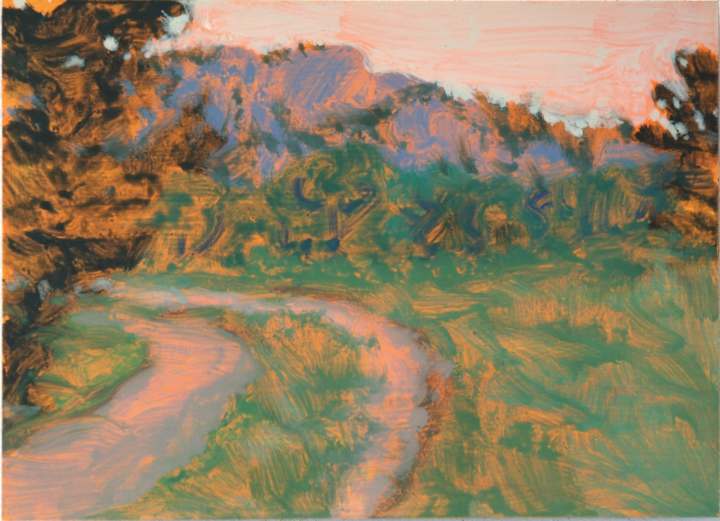
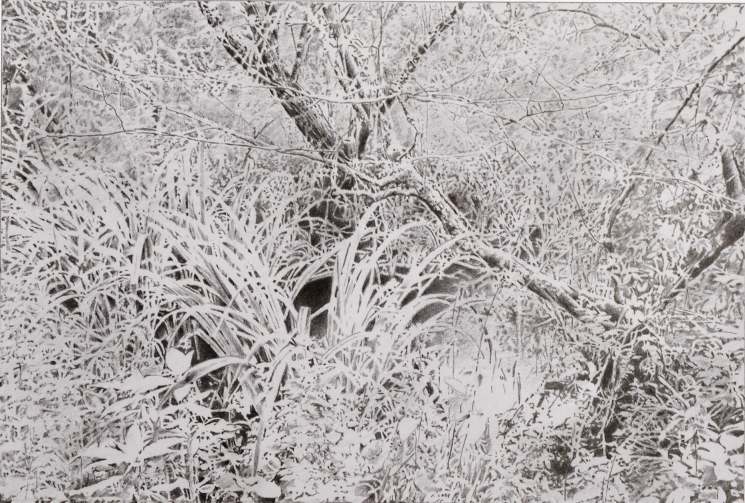
MARIAN WIJNVOORD (1966, Netherlands) creates timeless images that refer to landscape, drawing upon the aesthetics of the North European painting tradition. Often her images are preoccupied with the capture of uncontrollable nature, showing a duality in both subject matter and technique by using the oldest preoccupation of painting: the illusion of space on a flat
surface. The artist’s strong, present brushstrokes bring a contemporary tension to the physicality of the paint versus the intemporality of the image.
The exhibition title Winterreise (Winter’s Journey), references the celebrated Franz Schubert song cycle (1827) which recounts the melancholy of a young traveller who wanders out into the snowy landscape on a journey to rid himself of his lost love.
Technical keywords
Media
Linen
Panel
Periods
21st century
Regions
Europe
Types
Oil
Themes
Landscape
06 Feb. 2026
11 Apr. 2026
Galerie Miranda, 21 rue du Château d’Eau, 75010 Paris, France
Browsing this site implies unconditional and unrestricted acceptance of the Terms and Conditions of Use. The site uses cookies for the one and only purpose of making navigation easier.


 01 78 01 13 13